
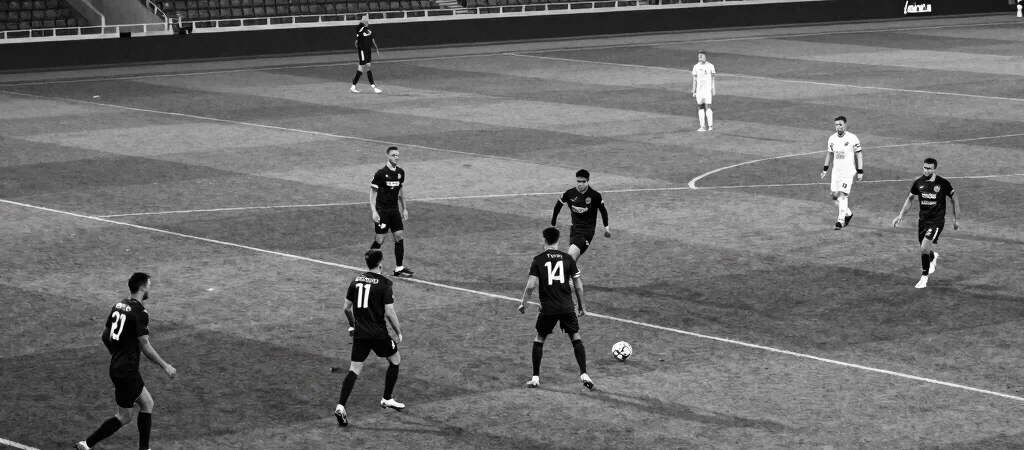
The last pass and the finish are easy to remember. The earlier movement can be easier to miss: a midfielder checking toward the ball, a forward pinning a center back, or a defender stepping forward to create a passing lane.
Watch the space appear
A well-built attack often starts before the ball reaches the player who appears to make the decisive move. One run can pull a defender away from the channel; a short pass can draw the press just far enough out of shape.
That is why watching the players away from the ball can change how a chance looks. The open lane may be the result of several small decisions, not a sudden mistake by the defense.
Judge the risk honestly
Playing through pressure can create a clearer route forward, but it carries a cost when the pass is loose or the supporting angles disappear. A sensible opinion weighs both the reward and the danger rather than treating every short pass as brave or every clearance as crude.
The same principle applies to a fullback moving into midfield or a goalkeeper starting attacks from the back. The tactic only works if teammates offer options and react quickly when possession is lost.
Make the case with evidence
An opinion about build-up play is more convincing when it points to repeatable details: where the team found a spare player, how often it escaped the first press, and what happened after a turnover. One memorable sequence can illustrate a point, but it cannot settle every argument.
Give the next match the same attention to movement before the final pass. The best football debates begin with what happened on the pitch—and leave enough room for another reader to see it differently.